News
Government should prioritise regulation simplification and competitiveness in the upcoming Irish Presidency of the EU
Learn more
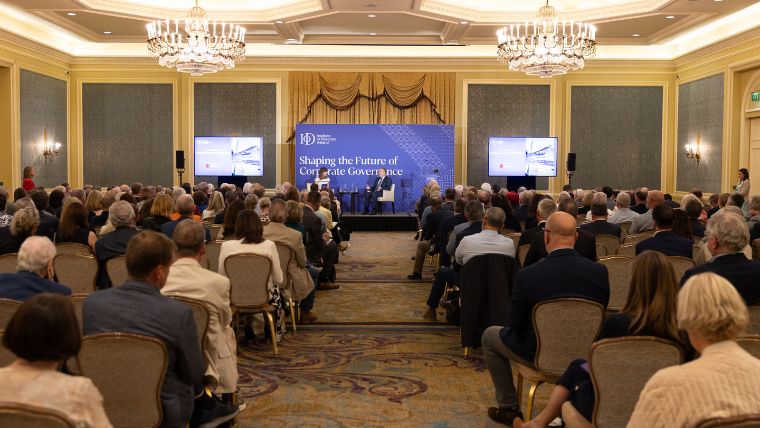
Directors and senior business leaders gathered yesterday evening in Cork to explore the opportunities and strategic implications of Ireland’s 2026 Presidency. Held in collaboration with Matheson LLP.
The discussion focused on what boards and executive teams should be considering now, as preparations continue for Ireland’s return to a central EU leadership role.
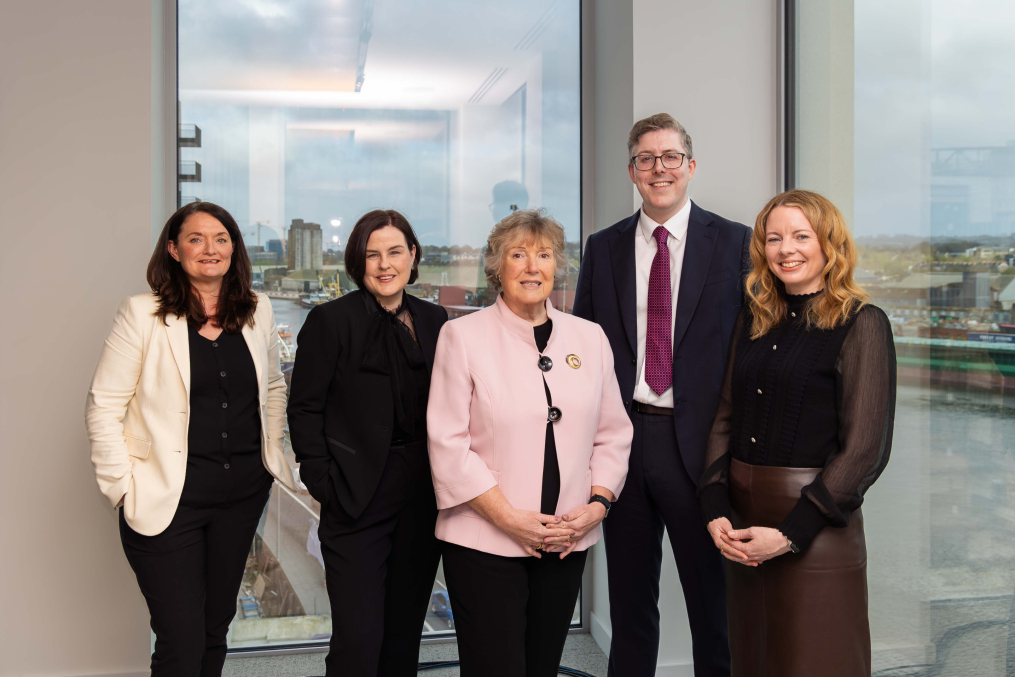
Opening the event, Anne Mannion, Head of Marketing and Communications, and Research, Policy and Advocacy Lead at IoD Ireland, welcomed members to Cork and highlighted the opportunity presented by Ireland’s upcoming EU Presidency. She outlined findings from recent IoD Ireland research with directors and senior business leaders, which identified simplifying regulation and strengthening competitiveness as key priorities in a challenging global trade environment. Anne noted that on behalf of IoD Ireland members, this research was shared directly with relevant Government departments, including in a meeting with the Minister of State for European Affairs and Defence, Thomas Byrne. Anne also took the opportunity to thank and acknowledge Matheson as partners on this event, and in particular thanking Grainne Callanan, Head of Matheson Cork Office and Partner, Financial Institutions Group and Claire Scannell, Director of the Managing Partners Office, Matheson LLP.
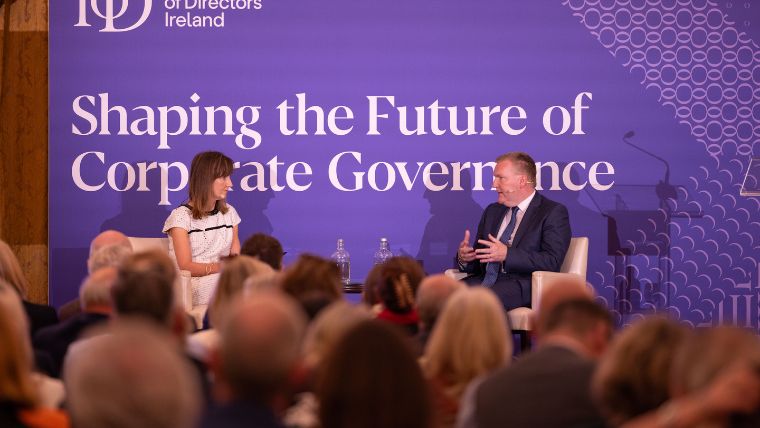
The panel discussion examined the likely priorities of Ireland’s Presidency of the Council of the European Union and explored what they will mean for business leaders and directors across Ireland. Our expert panel included: Dr Orlaigh Quinn, Independent Non‑Executive Director and former Secretary General at the Department of Enterprise, Trade and Employment; David Geary, CEO, European Movement Ireland; and Claire Scannell, Director of the Managing Partners Office, Matheson LLP. The discussion was moderated by Grainne Callanan, Head of Matheson Cork Office and Partner, Financial Institutions Group.
Reflecting on Ireland’s previous EU Presidencies, the panel examined what is already happening behind the scenes as planning intensifies, and what lessons can be drawn from Ireland’s last Presidency in 2013.
A key theme throughout the evening was what the EU Presidency will mean in practice for directors and senior leaders. The panel explored how boards and businesses can start preparing now, from mapping organisational interests against the forthcoming legislative agenda to identifying opportunities to host side events alongside key Presidency Informal meetings to drive engagement. The discussion also highlighted the Government’s extensive consultation process to date, which has generated over 480 submissions, all of which are publicly available on the Department of Foreign Affairs and Trade website.
Competitiveness emerged as a central theme of the discussion, particularly in the context of recent moves at EU level to simplify regulation across areas such as ESG and digital rules. The panel discussed whether further regulatory simplification could feature during Ireland’s Presidency, and how this may support businesses seeking to remain competitive while meeting governance and compliance expectations. Security was also a key focus, with discussion around the potential risks faced by organisations during a Presidency, including operational resilience and cyber security. The panel reflected on how Ireland will be supported in managing security during this period, while acknowledging the increased complexity and exposure that can accompany a leadership role of this scale.
The conversation also considered Ireland’s place within Europe and the wider global context, drawing on the 2025 European Movement Ireland's sentiment research and reflecting on public attitudes to EU membership across the island of Ireland. Our expert panel of speakers discussed what this data may signal for the future, as well as the evolving relationship between Ireland, the EU and the UK a decade on from Brexit.
Looking outward, the discussion explored where Europe now sits within a changing geopolitical landscape, and what this may mean for business opportunity, diplomacy and influence during Ireland’s Presidency.
In closing, the panel reflected on what success would look like for Ireland’s 2026 EU Presidency, sharing perspectives on key priorities ranging from the MFF negotiations and the digital and deregulation agendas, to the broader question of European values. The evening concluded with a lively networking reception, giving members the opportunity to continue the conversation with peers and speakers.
IoD Ireland extends its thanks to Matheson for partnering on this event. Matheson have a dedicated Presidency Hub with more information and resources around the Irish Presidency. For more information on upcoming IoD Ireland events visit our events section on the IoD Ireland website.
Join our collective and become empowered, informed, and supported by a network of fellow pioneering directors.
News
Government should prioritise regulation simplification and competitiveness in the upcoming Irish Presidency of the EU
Learn more
Blog
Ireland at the Helm: Practical Steps to be Taking Now for the EU Presidency
Learn more
Blog
Ireland, Europe and the Boardroom – Why this Year’s Irish EU Presidency Matters
Learn more