Orla Graham
Chief People Officer, Davy
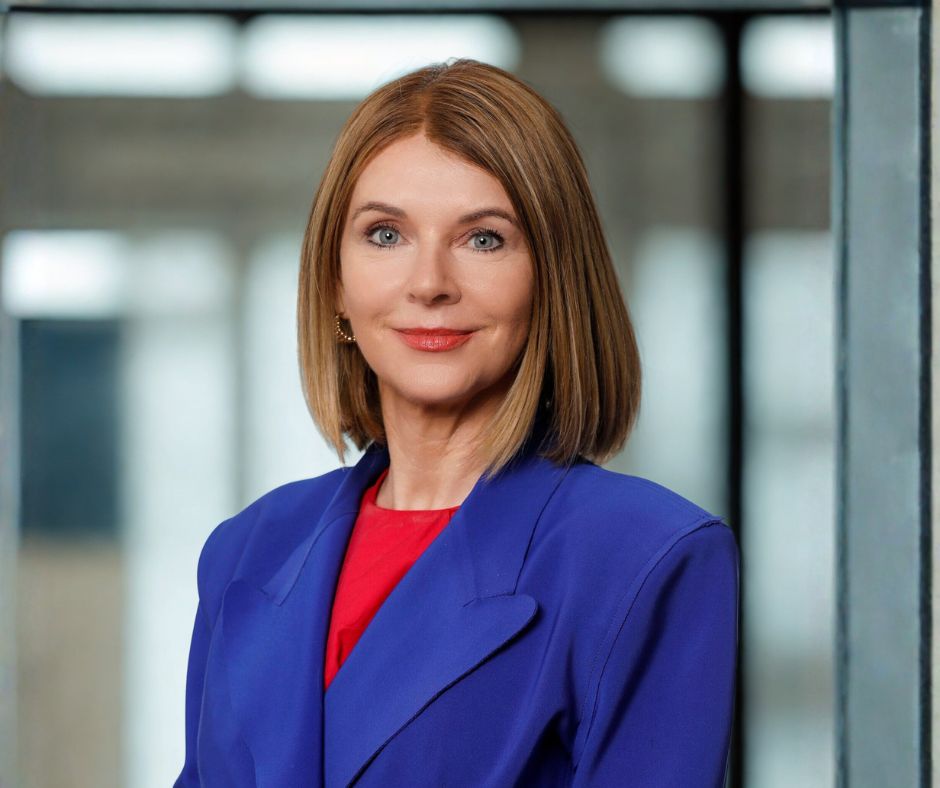
Orla Graham, IoD Ireland member and Davy Chief People Officer, reflects on a career across retail, manufacturing, professional and financial services, and the major shifts in how organisations and their boards approach people, leadership, and culture.
Tell us a little about your own career journey.
My leadership journey pivoted early. I studied science at the University of Galway and then completed a business qualification before joining the Marks & Spencer graduate training programme in the UK. Six years later, I moved to Coca-Cola in Drogheda as HR leader. That role at Coca-Cola was my first major leadership position. With 16 nationalities on the leadership team, I learned very quickly that success came from building and empowering a strong, motivated team. Authentic leadership became an anchor for me, and it still is. I later joined Deloitte as Director of Talent and Learning, eventually becoming Chief Human Resources Officer during a period of rapid organisational growth. The firm grew from 500 people to 2,700 during my 16 years there. The vision was to be the leading Big Four firm in Ireland for people and career development.
In 2019, I moved to Davy as Chief People Officer, and there has been significant change in the organisation, particularly following the change of ownership in 2021.
How have you seen the role of boards evolve in recent years?
Boards have changed markedly in recent years. There is far greater focus on succession, talent pipelines, and leadership capability. The people agenda is now central to board stewardship. Building an organisation with the right capabilities, leaders, and culture is fundamental for success.
Leadership development is essential. Leaders aren’t born; they are shaped through experience and formal development. Boards must keep leadership capability at the top of their agendas, particularly in an unpredictable environment. I have also seen a significant step-change in governance maturity. Nobody joins a board lightly anymore. Expectations have risen, and board members need to be disciplined in how they use their time and where they place their focus. Cognitive diversity is also vital. Boards and executive teams need different perspectives to avoid groupthink. Their ability to anticipate what is coming depends on who is around the table and the questions they ask.
Why do you view culture as a strategic asset?
People talk a lot about culture, but not everyone fully understands it. Purpose and values have to be lived every day. The tone from the top has to be open and authentic.
How are you approaching hybrid work in your organisation?
Hybrid working continues to be a major topic. Some organisations have navigated it better than others. When you set expectations clearly and have the right people in the right roles, they deliver.
It is important to strike the right balance. Mandating people in the office five days a week risks losing talent. Yet in-person time really matters for culture and collaboration. We set expectations early, and it is working well.
What impact do you see AI having on the future of work?
Artificial intelligence is rapidly reshaping workforce expectations. AI can automate routine tasks and enable people to focus on more meaningful work, that’s a win-win. But it will also disrupt roles. Some will disappear; others will emerge. People leaders will play a critical role in helping teams adapt, evolve, and build new capabilities. The uncertainty is real. We’ve already seen graduate recruitment reduced in some sectors because of AI. People are anxious. The world of work will be very different in five years, and HR leaders must support learning, agility, and continuous development.
Why did you decide to embark on the IoD Chartered Director Programme?
My commitment to continuous learning brought me to the Institute of Directors. Completing the IoD Chartered Director Programme this year was hugely valuable. The quality of the lecturers, the breadth of the content, and the strength of the IoD Ireland network all stood out. I had been planning to do it for years, and I’m very glad I finally made the leap.
What final advice would you offer to directors and senior leaders?
My advice is to step back and create space to think about the bigger picture. If something bothers you, give it a few days. If it still bothers you, act. Reflection is underrated, but it is essential.
For today’s boards and senior leaders, including those engaging with IoD Ireland, my message is clear: leadership, culture, and people are strategic assets that define organisational performance.