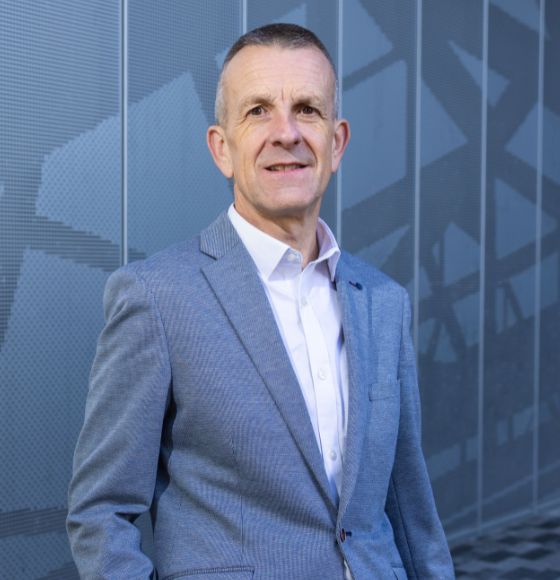
Ian Britchfield
Independent Non-Executive Director
Ian Britchfield is a seasoned Independent Non-Executive Director with over two decades of experience serving on regulated insurance and reinsurance boards. He is also a Chartered Accountant and accomplished independent Chair.
How would you describe your non-executive portfolio and the types of boards you serve on?
I’ve been a director of Central Bank of Ireland regulated insurance and reinsurance entities for more than 25 years, serving on over 30 boards during that time. Since moving into the INED space full time in 2015, I’ve built up an interesting and diverse portfolio of clients, including insurance and reinsurance companies, two intermediaries, a MiFID regulated investment firm, a pensions master trust, and a state board. I currently chair the boards of NIB Travel, Arch Insurance (EU), Carole Nash Insurance Consultants (Ireland), and Navigate Master Trustee (Unio Master Trust), as well as serving as a Director on a number of other Boards.
What from your earlier executive career helped prepare you for your current roles?
The broad experience I gained as an executive director, over 14 years in those roles, was invaluable. I wasn’t just focused on one area; I held broad senior management roles, which gave me a rounded understanding of the businesses I worked in.
You originally trained as a chartered accountant. How did that shape your approach as a director?
One of my main strengths, which others have recognised throughout my career, is a very good eye for detail, that probably comes from the accounting training. My accounting career started with Coopers & Lybrand (now PwC) in 1992, working in the financial services group specialising in insurance. That’s really how I got into the insurance industry.
You also spent some time working abroad, tell us about that.
Yes, my wife, who’s also an accountant, had an opportunity to transfer to her company’s Bermuda office in 1997, and I successfully applied for a transfer to the Coopers & Lybrand Bermuda office. We spent two years there. Bermuda is a major insurance market, and I gained very broad experience, working with large and small clients across insurance, reinsurance, and captive insurance. I was part of the senior management team helping to run an office of more than 100 staff, which gave me great exposure to leadership at a young age.
What prompted your return to Ireland and your move into director roles?
When we came back in 1999, I joined GE Re Management Services, part of the GE Group, as financial controller and was promoted to finance director within six months, my first board experience at 31. Later, I joined Renaissance Reinsurance of Europe as finance director and then managing director. We grew the business from 10 to 60 people, and I was a director of both the regulated reinsurance entity and its services company.
What led you to transition into independent directorships?
By 2014, I’d had a rewarding executive career, but I saw good opportunities emerging for independent directors, especially with Solvency II being introduced. I decided to give it a go. Arch, a large Bermuda-based reinsurance company, gave me my first INED role in February 2015, and that was the start of it. Within six months, I had a couple more, and I’ve added one or two most years since.
You’ve also taken on a number of chair roles. How did that evolve?
Arch later asked me to chair their reinsurance company when the existing group chair stepped down, which was great for my confidence. They then asked me to chair Arch Insurance (EU) as it expanded after Brexit. There have been quite a few situations where I started as an INED and later became chair. Being an INED has allowed me to build up a nice mix of clients which allows me to gain different perspectives.
What do you see as the key differences between executive and INED roles?
The INED role is different. You’re not there to run the business but to provide guidance, support, and challenge to management, and to add value through strategy. The workload for INEDs has increased hugely. The audit and risk committees do a lot of the heavy lifting. You need to strike the right balance between compliance and strategy; it’s important not to focus only on looking backwards but to look ahead too.
What makes for an effective chair in a regulated industry?
A chair should be calm, inclusive, and disciplined. If something goes wrong, you need to stay calm, figure out what happened, and decide how to respond. It’s important that everyone’s voice is heard, and that meetings stay on track.
Relationship building is also crucial. The chair and CEO relationship is key; it’s about balancing challenge with support. If they don’t get on, it can make things difficult.
What are some of the emerging risks and opportunities you see for the insurance industry?
Cyber, AI, and climate are among the most significant. These are risks but also opportunities. AI for instance, can help companies operate more efficiently , but it also brings risks around implementation and oversight. As independent directors, we need to stay informed and be able to challenge management on how they’re addressing these issues. All the boards I’m involved with are scanning the horizon to identify risks coming down the track. Insurance is, by nature, a risk-taking business, so it’s about managing and measuring risk appropriately, not avoiding it.
Finally, what advice would you give to those considering INED roles?
Prepare yourself properly. I’ve been a member of the Institute of Directors Ireland for around 20 years and would advise anyone considering an INED role to join. They offer excellent training and resources.
Think about your unique selling point - what differentiates you. Boards value broad experience, but if you have specific expertise, such as in cyber, AI, or marketing, that can also be a real advantage. Educate yourself and understand the skills that make you stand out.